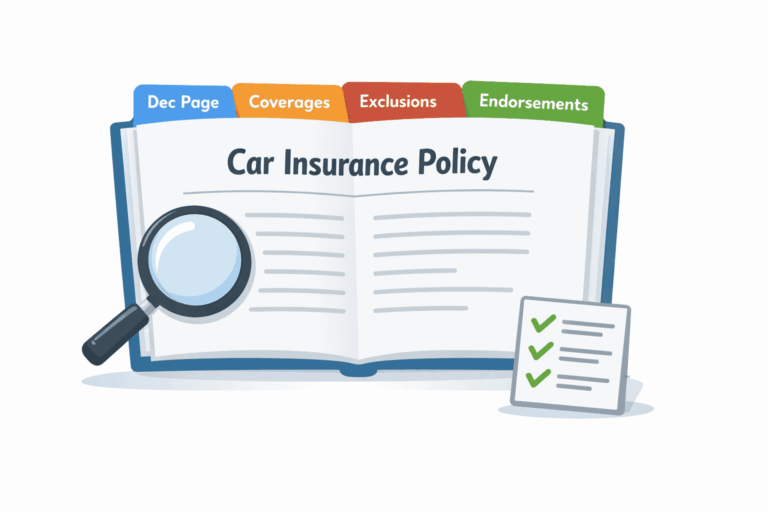
How Car Insurance Works in the United States (2026 Guide)
Car insurance in the United States is not just a legal requirement in most states, but also a financial protection system designed to cover drivers, passengers, and third parties in case of accidents, property damage, or unexpected incidents on the road.
Despite how common it is, many drivers do not fully understand how car insurance actually works, what each type of coverage means, or why prices vary so dramatically between drivers. This lack of understanding often leads to overpaying for coverage or choosing policies that do not match their real needs.
This guide explains in a clear and structured way how car insurance works in the United States in 2026, including how policies are structured, how claims work, what affects pricing, and what you should consider before choosing a provider.
What car insurance actually is
Car insurance is a contract between a driver and an insurance company where the insurer agrees to cover specific financial losses related to driving, in exchange for a regular payment known as a premium.
In simple terms, the driver transfers part of the financial risk of an accident to the insurance company. If a covered incident occurs, the insurer pays for damages, medical costs, or liability claims depending on the policy.
In the United States, most states require at least a minimum level of liability insurance, which covers damage or injuries caused to other people or their property.
This means that if you are at fault in an accident:
- Your insurance pays for the other driver’s vehicle repairs
- It may cover medical expenses for injured parties
- But it does not automatically cover your own vehicle unless you have additional coverage
How car insurance works in practice
The process of how car insurance works can be broken down into several key stages.
First, the driver selects a policy from an insurance company. This includes choosing coverage types, limits, and optional add-ons such as roadside assistance or rental car reimbursement. The insurer then calculates a premium based on risk factors.
Once the policy is active, the driver pays monthly or annual premiums to keep the coverage valid.
If an accident happens, the insured driver must file a claim with the insurance company. This usually includes reporting the incident, providing details of what happened, and sometimes submitting photos or a police report.
After the claim is submitted, the insurance company investigates the incident. This may involve reviewing evidence, assessing fault, and estimating repair costs. In more complex cases, an insurance adjuster is assigned to evaluate the damage.
Finally, if the claim is approved and covered under the policy, the insurance company either:
- Pays for vehicle repairs directly
- Reimburses the insured driver
- Covers medical expenses or liability costs depending on the situation
Main types of car insurance coverage in the USA
Car insurance in the United States is made up of several types of coverage. Each one protects against different risks.
Liability insurance
Liability insurance is the minimum required in most states. It covers damages or injuries you cause to other people in an accident where you are at fault.
It includes two main components:
- Bodily injury liability (medical expenses, lost wages, legal costs)
- Property damage liability (repairs to other vehicles or property)
However, it does not cover your own vehicle.
Collision coverage
Collision coverage pays for damage to your own vehicle after an accident, regardless of who is at fault.
This includes:
- Collisions with another vehicle
- Accidents involving stationary objects (like poles or barriers)
Comprehensive coverage
Comprehensive insurance covers non-collision-related damage, such as:
- Theft
- Vandalism
- Fire
- Natural disasters
- Animal collisions
Uninsured and underinsured motorist coverage
This protects you if you are hit by a driver who either has no insurance or insufficient coverage to pay for your damages.
Personal injury protection (PIP)
In some states, PIP covers medical expenses for you and your passengers, regardless of who caused the accident.
What is a deductible in car insurance
A deductible is the amount you must pay out of pocket before your insurance company covers the remaining cost of a claim.
For example:
- Repair cost: $1,500
- Deductible: $500
- Insurance pays: $1,000
Higher deductibles usually mean lower monthly premiums, while lower deductibles result in higher premiums.
How insurance companies calculate your premium
Car insurance pricing in the United States is based on risk assessment. Insurance companies use multiple factors to estimate how likely you are to file a claim.
Driver-related factors
- Age and driving experience
- Driving history and past accidents
- Credit score (in most states)
Vehicle-related factors
- Make, model, and year of the car
- Repair costs and safety ratings
- Theft risk
Location-based factors
- State and ZIP code
- Accident rates in your area
- Population density
Policy-related factors
- Coverage level selected
- Deductible amount
- Optional add-ons included
This is why two drivers with similar cars can pay completely different premiums.
What happens after a car accident
When a car accident occurs, the process typically starts with reporting the incident to the insurance company as soon as possible.
Drivers often complete a police report or exchange information using an accident report form. This includes details such as driver information, insurance details, and a description of what happened.
Once the claim is filed, the insurance company reviews the case and determines liability. If necessary, an adjuster is assigned to inspect vehicle damage and estimate repair costs.
Depending on the situation:
- The insurer may pay for repairs directly to a repair shop
- The insured may receive a reimbursement check
- Liability coverage may pay for the other party’s damages
If there is disagreement about fault, the claim may take longer to resolve and could involve legal processes.
Is car insurance mandatory in the United States?
Yes, in almost every U.S. state, car insurance is legally required to drive. The minimum requirement is usually liability insurance, although exact limits vary by state.
Driving without insurance can result in:
- Fines and penalties
- License suspension
- Vehicle impoundment
- Personal financial responsibility for all damages in an accident
Some states also require additional coverage such as uninsured motorist protection or personal injury protection.
Why understanding car insurance matters
Car insurance is often treated as a simple monthly expense, but in reality, it is a complex financial product that directly affects your financial security.
Understanding how it works allows drivers to:
- Choose the right level of coverage
- Avoid overpaying for unnecessary extras
- Understand what is actually covered in a claim
- Compare insurance companies more effectively
Final thoughts
Car insurance in the United States is a structured system designed to reduce financial risk for drivers while ensuring that accident-related costs are distributed fairly between insurers and policyholders.
However, the system is complex, and pricing can vary significantly depending on personal factors, vehicle type, and location.
The key to choosing the right policy is not just finding the lowest price, but understanding how coverage works and selecting a plan that balances protection and cost based on your individual situation.
Frequently Asked Questions
What is the minimum car insurance required in the USA?
Most states require at least liability insurance, but exact requirements vary by state.
Do I need full coverage car insurance?
It depends on your vehicle’s value. New or expensive cars usually benefit from full coverage.
Why is my car insurance so expensive?
Rates depend on factors like age, driving record, credit score, location, and vehicle type.
What happens if I drive without insurance?
You may face fines, license suspension, and personal liability for damages in an accident.